
Nissan Could Soon Be Offering More EV Models
Electric vehicles are taking the automotive world by storm, and for good reason. They offer an eco-friendlier way for people to get where they need to go. But the race to get EV batteries is very real for automotive companies. Supplies are limited and will continue to be for years due to a shortage of mines and refining facilities.
Our team at Maus Nissan of North Tampa explains the tough spot that Japanese car makers like Nissan are in, and why they soon could be offering more EV models.
Rare Earth Minerals & Batteries
Japanese automakers that want to offer EVs are in a tough spot because most of the rare earth minerals that batteries are made from come from China. After a territorial dispute in 2010, the Japanese government realized that they would have to be more proactive in developing their own clean energy technology in the hopes to keep up with China. Essentially, China cut off supplies to Japan, which might explain why Japanese car makers like Nissan are turning to hydrogen technology while the rest of the world chooses battery-electric vehicles or BEVs.
In addition to the geopolitical issues at play, the United States only offers EV subsidies, tax credits, and rebates for EV batteries only if they come from countries that are not China. This could lead to more plug-in hybrid vehicles on the road.
Nissan and BEVs
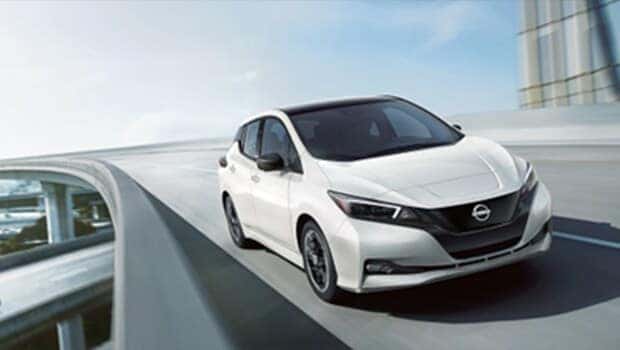
Nissan has been a pioneer in the BEV industry, even though they are in an environment that doesn’t favor them. Nissan’s first-generation LEAF beat the Tesla Model S to market and offered it at a much more affordable price point, even if it did have less overall battery range.
A New Mineral Deal
Nissan recently revealed in a press release that it has completed a definitive agreement to acquire shares in Vehicle Energy Japan Inc., a firm that is involved in the automotive lithium-ion battery sector. Nissan will purchase stocks after regulatory procedures are completed.
In this deal, Nissan will acquire all of Vehicle Energy Japan’s common shares, and following the merger, Vehicle Energy Japan will become a subsidiary of Nissan, in which it will share ownership with Maxell, Ltd, and Hitachi Astemo, Ltd.
Vehicle Energy Japan has an integrated battery supply chain, as well as sophisticated battery management systems. It develops, produces, and sells lithium-ion batteries, module batteries, and battery management systems for electric vehicles.
Nissan’s Long-Term Vision
This merger has strategic importance for Nissan. In its long-term vision, Nissan Ambition 2030, Nissan aims to place significant value on placing electrification as its core business strategy. Vehicle Energy Japan will be a critical component in Nissan’s plans to electrify its lineup.
This investment will enable Nissan to secure a dependable battery supplier and contribute to the advancement of next-generation batteries with enhanced performance and cost-effectiveness.
What Does This Tell Us?
By gaining control of more future battery supply, Nissan is serious about adding future EV models to their lineup beyond the LEAF and the Ariya. What we don’t know is how much of the market is predicted to be electric by 2030.
Getting batteries is one thing but getting enough to make its entire lineup of EVs is another thing entirely. Whatever happens, it is a step in the right direction.
Go Electric with Nissan
Planning to test drive the Nissan LEAF or Ariya? Come visit our showroom at Maus Nissan of North Tampa to see what these two futuristic electric vehicles have to offer! Are you as excited about the electric vehicle revolution as we are?
L earn more about Nissan’s electric lineup by calling our team at (813) 800-6287!

0 comment(s) so far on Nissan Could Soon Be Offering More EV Models